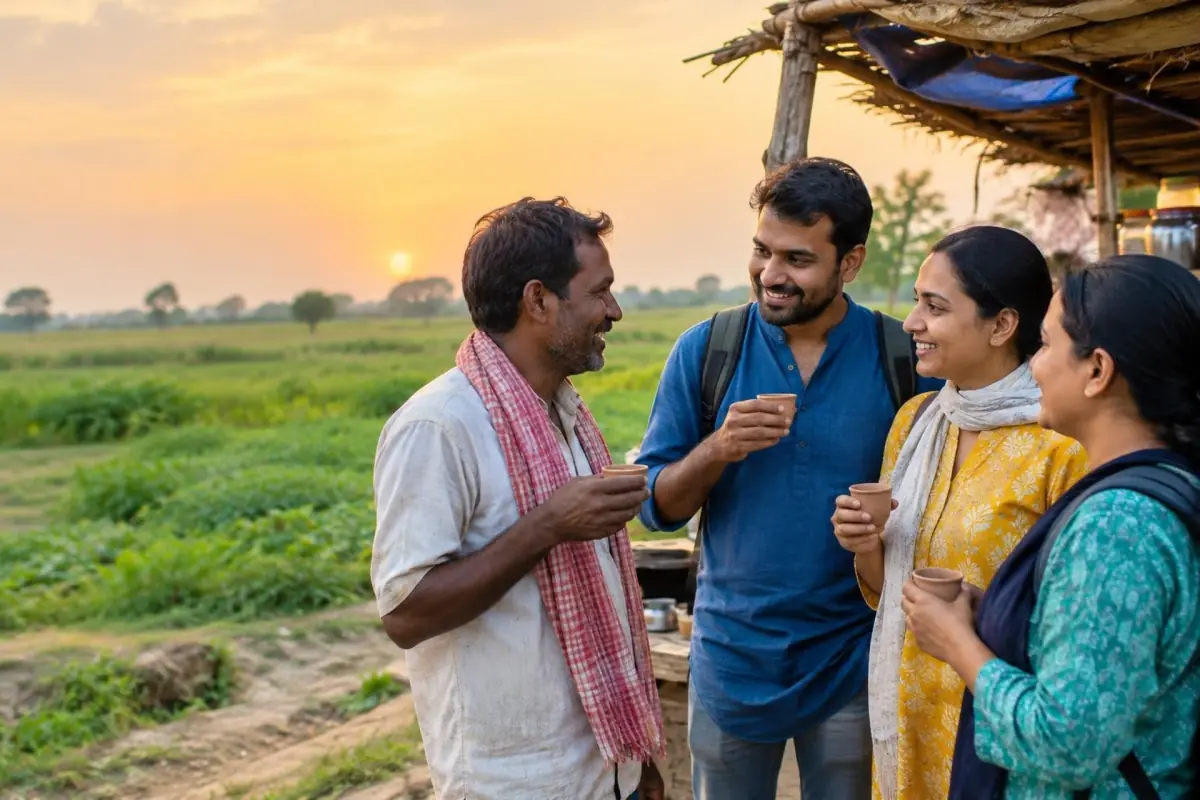
Sujata Stupa and Dungeshwari Caves at a glance
The Sujata Stupa stands in Bakraur, also called Senanigrama, near Bodh Gaya. It remembers Sujata, the woman who, in Buddhist tradition, offered rice and milk to the future Buddha before his enlightenment. The Dungeshwari Caves, also known as the Mahakala Caves or Pragbodhi, hold Hindu and Buddhist shrines and are linked to the years of ascetic practice.
Both places are free to enter. They suit a half day away from the busy temple area. Combine them with the Mahabodhi Temple and the Bodhi tree for the full story. If you want company, the Bodh Gaya tours page has guided days that cover the region.

Our pick: a caves day trip
A private day to the Dungeshwari Cave and the Barabar Caves with entrance tickets included.
Hand-picked tours, booked through GetYourGuide. Prices are indicative starting prices in US dollars (as of October 2026). Tap a tour for live availability and the current price in your currency.

Sujata Stupa and Dungeshwari Caves with a guide
Guided days around Bodh Gaya and the wider Buddhist region, with live prices and availability. Check each description for the stops it includes.
Sujata Stupa
The stupa is a large mound of brick. It marks the place tied to Sujata and her offering of rice and milk. Keep three layers apart when you visit: the place, the story and the age of the excavated structure. The story is a religious tradition. The brick structure you see is an archaeological monument, and its dating is a separate question from the legend.
Visitors are asked not to climb the structure or damage it. Walk around it quietly, and treat it as the monument and place of remembrance that it is. The site is free and open from 09:00 to 18:00. A short check at the gate is enough for the current rules.
How long did the Buddha fast?
Tradition gives different numbers. One account speaks of seven years of fasting and another of six years of asceticism. It is a religious account, so this guide does not fix a number. If you want to read more of the story, see the page on history.
Sujata village
Sujata Garh and Sujata village are linked with the stupa and lie about 2 km from the Mahabodhi Temple. That is a rough figure and not a surveyed walking route, so ask locally for the way and for the best time to go.
The village is a place of everyday life and not a show. Keep a respectful distance when you take photos, ask before you photograph people, and avoid walking into private yards. Early morning or late afternoon is cooler and quieter.

Dungeshwari Caves
Cave shrines with a Hindu and a Buddhist side.
What you see
The caves hold shrines of both traditions. They are linked to the Buddha's ascetic years before the enlightenment, which is why pilgrims come. The caves are also known as Pragbodhi.
Hours and rules
The caves are open from 06:00 to 19:00 and entry is free. Take your shoes off, dress modestly and keep quiet.
Distance
The figure depends on where you start. Dungeshwari is about 12 to 22 km away by road, depending on whether you start in Gaya or Bodh Gaya. Agree the route and the return with your driver before you set off.
Climb and access
How long the climb takes and how many steps there are depends on your pace and on the day. There is no fixed figure, so allow a flexible half day and check conditions on arrival. If you have limited mobility, ask about access on arrival.
Do not mix up Dungeshwari with the Barabar Caves. Those are rock shrines from the 3rd century BCE in the Ajivika tradition, about 24 km north of Gaya, and they are covered on the Gaya page.
Plan a half day to both places
A simple order is the Sujata Stupa in the morning, a quiet lunch break back in town, and the caves in the afternoon. Both sites have long opening windows, so you do not need to rush. Keep in mind that midday is very hot in April, May and June, and see the weather page for the seasons.
- Carry water, a hat and shoes that are easy to take off.
- Carry identity papers, as for any trip in Bihar.
- Leave early if you want to add a stop at a monastery on the way back, see monasteries.
- For more places in town, see things to do in Bodh Gaya.


Sujata Stupa and Dungeshwari Caves: common questions
Who was Sujata?
In Buddhist tradition, Sujata offered rice and milk to the future Buddha before his enlightenment. The stupa in Bakraur remembers her. The story is a tradition, and the dating of the excavated structure is a separate matter.
What are the opening hours?
The Sujata Stupa is open from 09:00 to 18:00, and the Dungeshwari Caves from 06:00 to 19:00. Entry is free at both.
How far are the Dungeshwari Caves?
It depends on the start, but plan on about 12 to 22 km by road from Gaya or Bodh Gaya. Agree the route with your driver.
How long did the Buddha fast?
Accounts speak of six or seven years of asceticism, depending on the tradition. This guide does not fix a number.
What should I wear?
Modest clothing. Take your shoes off at the cave shrines and keep your voice low. Do not climb the stupa.
Can I climb the Sujata Stupa?
No. Do not climb or damage the structure. Walk around it quietly and treat it as a monument and place of remembrance.